Deep in the Amazon rainforest, amid damp leaves and the songs of the night, encounters unfold that seem to belong to another sense of time: ancient traditions preserving profound understandings of human existence meet visitors from distant cultures searching for a way to reconnect with themselves. A recent conversation between a Shuar elder and an apprentice from Turkey reveals not only the richness of Amazonian Shamanism, but also the surprising convergences between bodies of traditional knowledge separated by continents. This article explores those resonances—ritual, trance, shadow work, and cultural memory—and offers an educational perspective on why these practices remain relevant today.
Everyday Shamanism: Inherited Practices Without a Name
One of the Turkish participant’s first observations is that, in his homeland, many practices that would now be described as “shamanic” have been passed down through generations without ever being identified as such. Songs sung over water, grandmothers’ prayers before an important exam, protective amulets, and family rituals all express a worldview that blends religion with folk wisdom. Similar patterns can be found throughout the world: symbolic procedures, gestures of protection, and healing techniques that, although known by different names—Qur’anic recitations, dhikr, prayers, or traditional incantations—serve functions comparable to those of Amazonian healers. The realization is a powerful one: although symbolic systems differ, human needs and the cultural responses to them often reveal remarkable continuity.
Ritual, Transmission, and Community: The Strength of Ancestral Guidance
A defining feature of traditional practices is their transmission through elders. At the Cumbres de Arutam center, learning is not an individual pursuit but an initiation guided by senior practitioners who teach ceremonies, fasting practices, and proper care. This intergenerational process ensures that these traditions retain their communal and ethical foundations; they are not merely therapeutic techniques but rites of belonging. The Turkish apprentice describes with emotion how reconnecting with such a community restored his sense of trust and purpose. Tradition, he explains, feels less like a collection of methods than like a compass capable of guiding one’s life.
Arutam and a Living Universe
Within the Shuar worldview, the concept of Arutam reappears as the vital force that animates all living beings. More than a doctrine, Arutam is understood as a lived relationship: remaining connected to the creative force and cultivating its presence throughout everyday life. This principle underlies practices such as Natemamu and the ceremonial use of Tobacco at sacred waterfalls, where young people, guided by their parents or elders, receive visions and blessings. According to the elders, the intensity of one’s spirit is the foundation of health, resilience, and the capacity to renew oneself in the face of adversity.
Trance, Poetry, and the Healing of the Soul
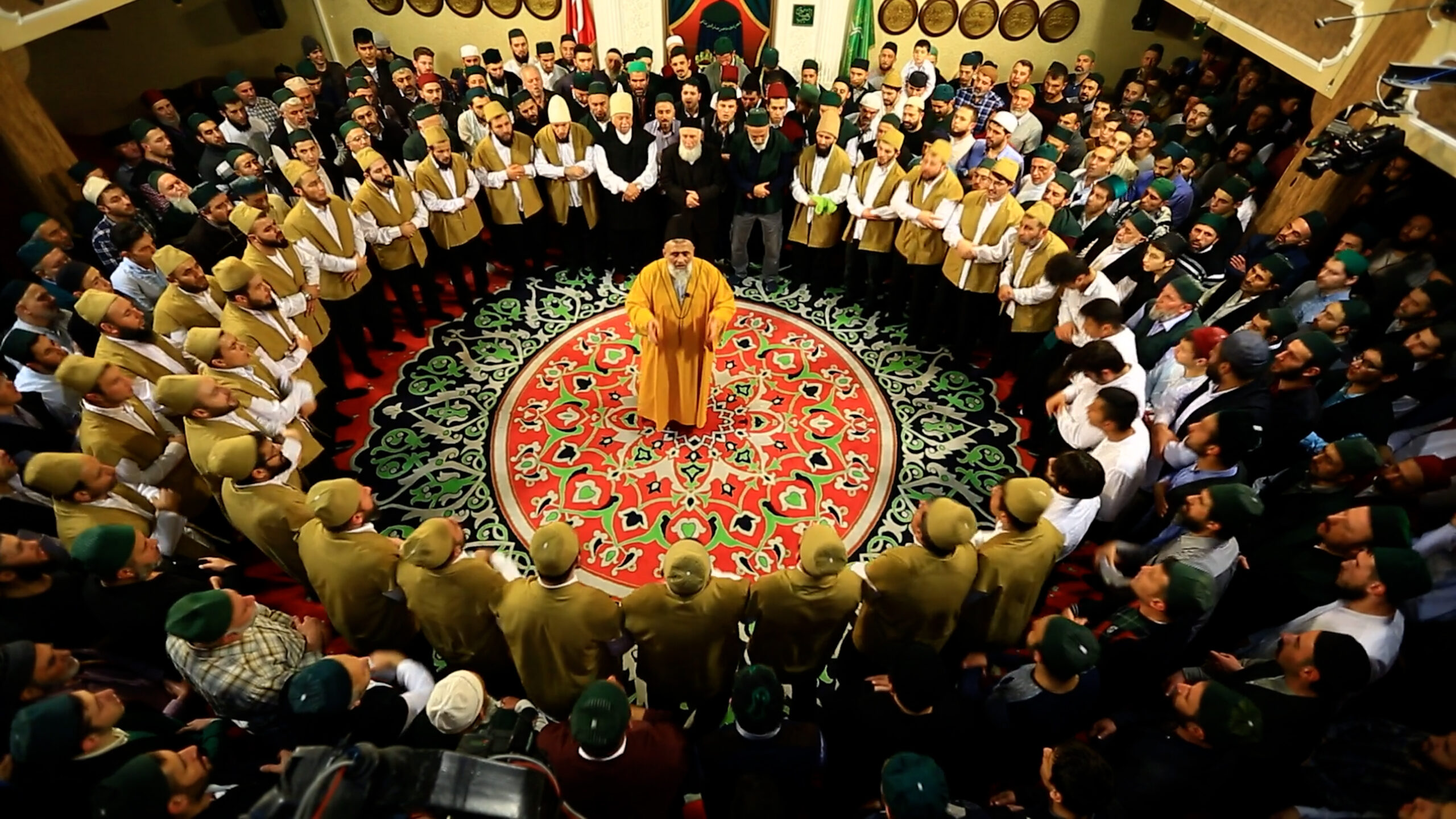
One of the most unexpected points of convergence between Turkish Sufism and Shuar Shamanism is the role of trance and aesthetic experience as pathways to healing. Whirling dervishes enter altered states through repetitive movement and sacred chants, while ceremonies with master plants induce states of consciousness that facilitate profound inner work. In both traditions, healing extends beyond the physical realm: it unfolds through poetry, music, dance, and ritual repetition. As the Turkish participant observes, “healing through poetry” is an ancient and deeply human way of reaching the hidden knots of the soul.
Shadow Work: The Hidden Face and Inner Alchemy
Accounts of Ayahuasca and other shamanic rituals consistently emphasize one essential element: confronting the shadow. This is not a mystical spectacle but a psychological and spiritual practice that brings hidden aspects of the self into the light—emotional residue, self-sabotaging patterns, and unresolved wounds that, when ignored, can grow into inner monsters. The ceremony reveals, confronts, and ultimately offers the tools to transform this darkness into creative energy. As the Turkish apprentice summarizes, it takes courage to face one’s own reality. The process can be painful, but by crossing that threshold, one recovers meaning, strength, and a renewed sense of purpose.
Authenticity and Adaptation: The “Sashimi” of Shamanism
In one particularly illuminating passage, the Shuar elder compares traditional Shamanism to food: authentic Japanese sashimi versus the Westernized California roll. The analogy offers a compelling way to think about authenticity and the risks of cultural appropriation. There are “Westernized” versions of Shamanism—superficial ceremonies and therapeutic performances led by people with little training—that, much like adapted sushi, lose the depth of the original tradition. The article argues that the true value of these practices lies not only in the plants themselves, but also in their ritual context, the preparation of the guides, and the legitimacy granted by the community that safeguards them.
Complementarity and Caution: Religion and Syncretism
The conversation openly addresses the relationship between Islam and Shamanism. The Turkish visitor recalls that the historical transition from Tengrism to Islam in Anatolia preserved numerous shamanic elements, many of which became integrated into Sufi practices, dervish traditions, and popular forms of devotion. Rather than existing in conflict, these traditions often prove remarkably compatible. Sufism, with its emphasis on transcendence and direct mystical experience, shares methods of ecstasy and altered consciousness that resemble those found in many shamanic traditions. At the same time, the discussion stresses the importance of distinguishing therapeutic practices from religious belief, and of avoiding ideological distortions that confuse spirituality with extremism or violence.
Ethics, Professionalization, and Safety
One of the major contemporary challenges is how to professionalize the transmission of Shamanism without stripping it of its soul. The Turkish apprentice suggests integrating psychological knowledge and scientific methodologies to provide safer and more accessible frameworks for urban audiences. This does not mean disenchanting the practice, but rather establishing ethical protocols that protect both participants and Indigenous communities: informed consent, guidance by legitimate elders, respect for Indigenous rights, and a firm rejection of decontextualized commercialization. Ethical responsibility, the article argues, is essential if these traditions are to endure with integrity.
Cultural and Educational Implications
This encounter between two worlds opens valuable educational possibilities. First, it offers concrete examples of how different cultures converge around shared moral values and ritual practices. Second, it highlights the importance of incorporating ancestral knowledge into culturally sensitive public health policies, recognizing that Indigenous communities possess psychosocial resources capable of strengthening collective resilience. Finally, it suggests that spiritual learning can become a path toward reconciliation between modernity and traditional identity, rather than a rejection of either.
Conclusion: Beyond Borders, the Same Human Search
The conversation between the Shuar elder and the Turkish apprentice reveals that beneath the diversity of languages, symbols, and traditions lie deeply shared human aspirations: belonging, meaning, healing, and a relationship with the sacred. Amazonian Shamanism and mystical traditions such as Sufism offer complementary tools for transcending ordinary consciousness, confronting inner darkness, and rebuilding communal bonds. Their contemporary relevance lies not in presenting themselves as alternatives to modern medicine, but in offering a more integrative vision of well-being—one in which ritual, inner transformation, and community work together to cultivate a fuller and more meaningful human life.