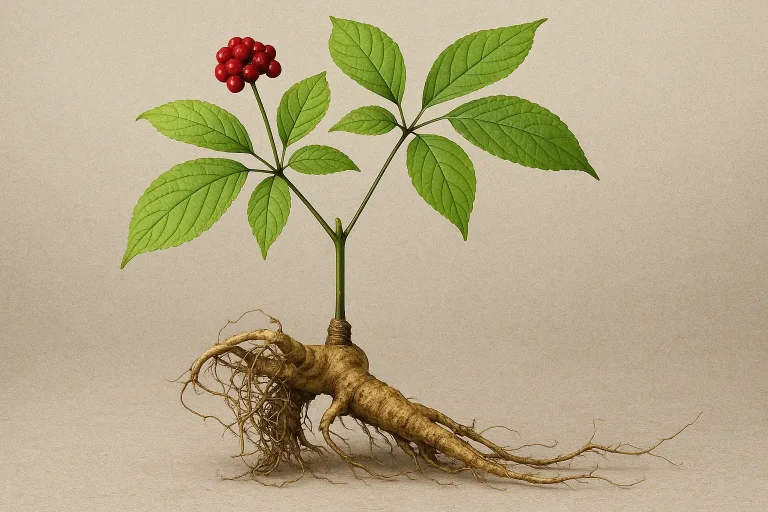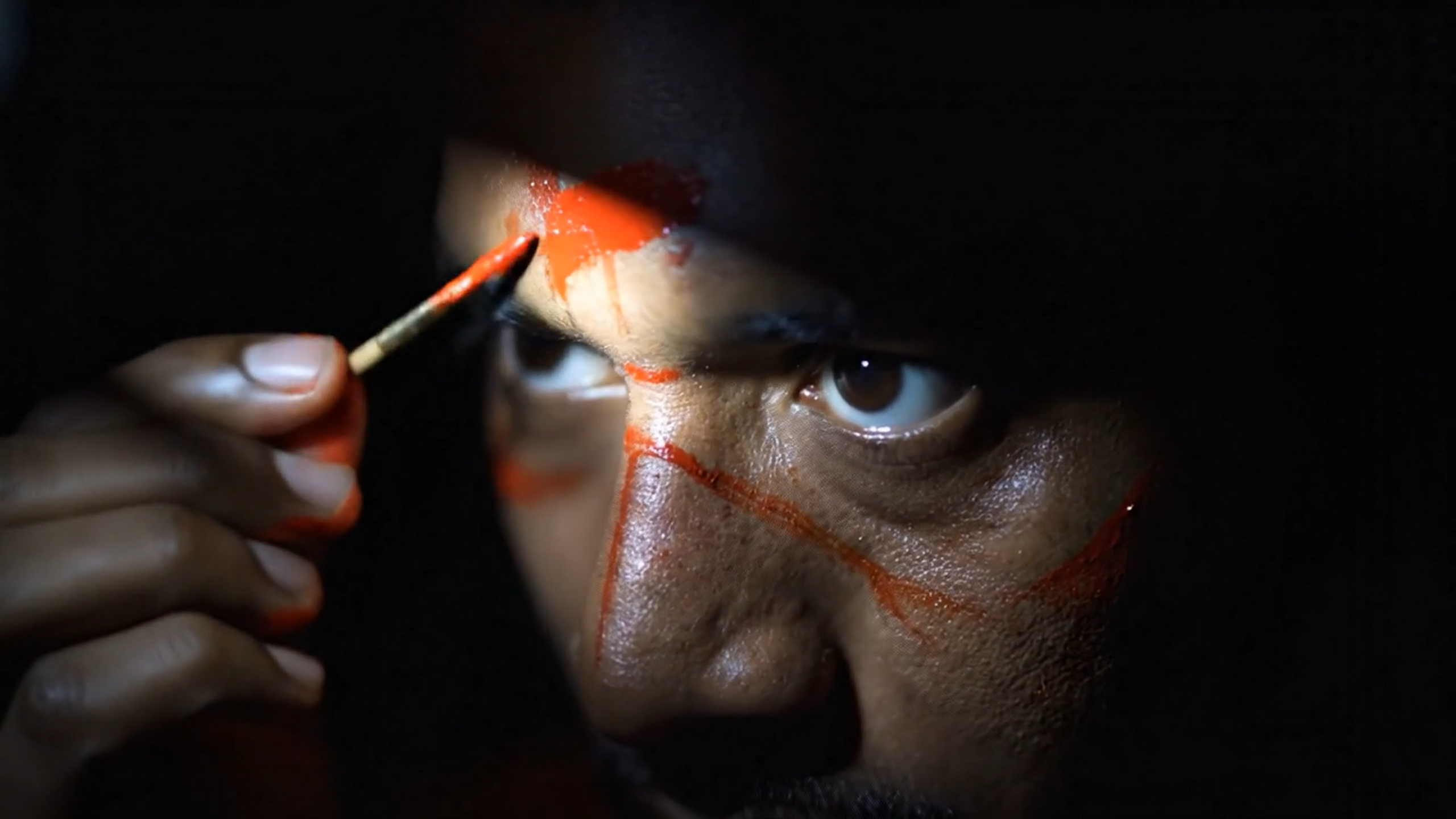
In the Shuar worldview, Arutam Ruymán tells us that life is not merely a series of biological processes; it is the vibrant presence of a spiritual principle that permeates all beings. That principle has a name: Arutam. More than an abstract belief, Arutam shapes a way of understanding health, illness, and healing practices. This article explores how, from the Shuar tradition and other ancestral medicines, the strengthening of the spirit —rather than merely fighting pathogens— becomes the key to lasting well-being.
Arutam: body, spirit, and vital continuity
For the Shuar people, Arutam is the source of life, the soul that animates humans, animals, and plants. It is not conceived as something separate from the body or as a distant god, but as the intensity of vital energy that runs through the channels of the being and enables resistance, response, and renewal. Maintaining this “intense and living” presence is, according to traditional teachings, the foundation of health: when Arutam shines strongly within a person, their organism responds more effectively to environmental aggressions (cold, heat, infections) and weathers adversities more successfully.
This perspective offers an alternative reading to the dominant biomedical view in the West. There, illness is often narrated as a war between the body and an external agent —bacteria, viruses, tumors— that must be defeated by antibiotics, anti-inflammatories, or surgical interventions. In the Shuar conception, by contrast, emphasis falls on the subject’s capacity to react: not so much on eliminating the agent, but on strengthening the life presence that allows one to overcome the aggression with less harm, or even to prevent it from becoming a serious disease.
Shamanic practice and resources: plants, rituals, and trance
The shamanic tradition has concrete resources to intensify Arutam. There are numerous plants and procedures with immediate effects —analgesic, antipyretic, anti-inflammatory— and others that work on deeper layers of experience: vital energy, mental peace, and the capacity to endure.
Among the resources mentioned, ayahuasca stands out: a ritual brew that connects the person directly with spirit. Through prolonged trance and sustained practice —fasting, care, and teachings— the relationship with spirit becomes deeper and more lasting. Repeated experience opens “doors” that allow a more intense and stable flow of life through the body’s channels. Tobacco, brugmansia (floripondio), and other plants also play complementary roles in the healing arsenal, each with a specific function in restoring balance.
Importance of trance and shadow work
Beyond pharmacological effects, ayahuasca and similar practices facilitate psychological and spiritual work considered central to healing: encountering one’s shadow, resolving blockages, and releasing patterns that impede the full return of spirit. This inner work is not secondary: a person who regains “life with maximum intensity” is not only physically stronger but also has emotional stability, harmony, and skills to manage daily life. Thus, shamanism combines the somatic with the psychic and the spiritual in a single integrative praxis.
Complementarity and limits: where Western medicine fits
Shuar traditions do not deny the achievements of Western medicine: they recognize the necessity of antibiotics, surgeries, and medical care in emergencies or critical situations. However, they point out a limitation: biomedicine has excellent tools to combat specific agents and relieve symptoms, but offers few strategies to “strengthen” the patient’s vital energy in the long term. The result is a growing dependence on pharmaceuticals as baseline energy weakens over time. From the shamanic perspective, without renewing the bond with spirit, biomedical resources end up as increasing palliatives in a cycle that does not restore fullness of life.
For this reason Arutam Ruymán proposes a synergistic approach: use Western medicine when essential, while working chamantically to restore underlying vitality. Herbalism, rituals, and trance do not always replace an antibiotic in a serious infection but can enhance recovery and reduce long-term vulnerability.
Public health and an integrative prevention approach
The implications of the Shuar view also reach public health. If health depends largely on the intensity of Arutam, then health policies that focus only on fighting epidemics with drugs miss a crucial dimension: community and spiritual strengthening. Programs that integrate cultural self-care practices, ritual gathering spaces, and education on diet, rest, work, and relationship with the environment could contribute to more resilient populations.
Likewise, the Shuar idea that the same exposure can affect people very differently —because the response depends on internal vitality— suggests the importance of personalized strategies that do not limit themselves to standard medical prescriptions. This implies respecting local knowledge, including traditional healers in care networks, and fostering intercultural dialogues that allow a blend of effective practices.
Ethical implications and care in cultural appropriation
Talking about ayahuasca and shamanic practices also forces reflection on the risks of exoticization and appropriation. Master plants and ceremonies are part of worlds of meaning where procedures, relationships of trust, and transmission by authoritative teachers are essential. Extracting elements without understanding the ritual context, commercializing sessions without proper training, or treating ayahuasca solely as a “therapeutic drug” reduces and misrepresents practices that require respect, guidance, and protection.
Therefore, any ethical approach must include: deep informed consent, accompaniment by masters, shamans, and healers linked to legitimate traditions, recognition of indigenous peoples’ rights over their knowledge, and a regulatory framework that protects both communities and people seeking these experiences.
Contemporary contributions: research and interdisciplinary dialogues
In recent decades, science has begun to take interest in the effects of plants like ayahuasca on mental health, neuroplasticity, and emotional regulation. Preliminary studies suggest changes in stress regulation, improvements in depressive states in some cases, and introspective experiences that favor trauma resolution. However, scientific research still needs to advance methodologies that respect the ritual and cultural complexity of these practices and conduct trials that evaluate safety and efficacy with rigor.
Dialogues between anthropology, medicine, psychology, and indigenous knowledge are today a promising path: they allow the design of sensitive protocols, the understanding of both spiritual and neurobiological mechanisms, and the exploration of care models that combine the best of both worlds.
Conclusion: rediscovering the intensity of life
The central teaching recovered from the Shuar tradition and presented by Arutam Ruymán —the need to keep the presence of spirit intense in life— is a call to rethink how we understand and promote health. Beyond the confrontation between tradition and modernity, the challenge is to integrate horizons: to recognize when medical science saves lives and when spiritual and community practices strengthen the vitality that sustains long-term health.
In times of pandemics, ecological crises, and growing pharmaceutical dependence, the possibility of renewing vital energy —through practices that include rituals, master plants, and inner work— offers not only alternative resources but a humanizing perspective. Recovering these knowledges with respect and responsibility can help build well-being strategies that are not only technical but also deep, grounded in reconnection with that which, according to the Shuar, gave us life: Arutam.
Watch the full talk: