The Inner Call and the Structure of Ceremony
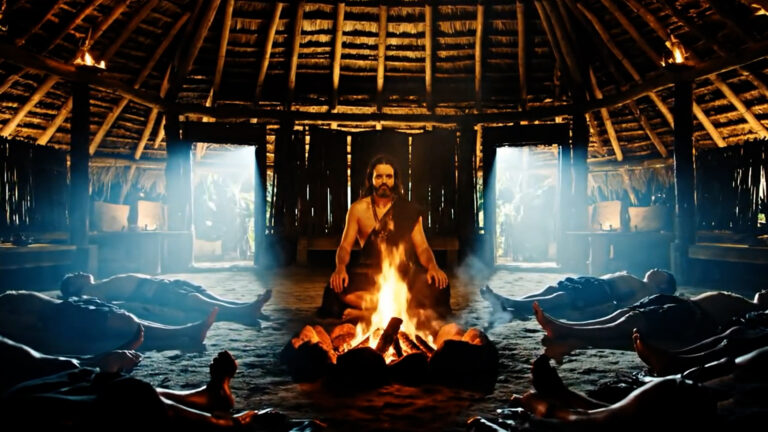
Across cultures and eras many people report an inner, often unarticulated yearning—a mystical calling that presses gently at the edge of everyday life. Ceremonial traditions, particularly those arising from indigenous shamanic lineages, have long recognized this impulse and shaped it into a disciplined process: ritual as invitation, ceremony as lesson, and everyday life as the classroom in which teachings are integrated. In these communities ceremonies are not one-off spectacles; they are iterative encounters. Participants receive guidance or insight during ritual, then return to ordinary life to practice what they have learned—what elders often call “homework.” Without that post-ceremony integration, lessons repeat until the person either learns the lesson or abandons the path.
This cycle—ritual stimulation followed by everyday practice—distinguishes living traditions from recreational or sensational engagements. The ceremonial model is pedagogical: a sequence of stimulus, assimilation, rest, and deeper stimulation when readiness appears again. The result, in traditional contexts, is not merely temporary revelation but a gradual expansion of awareness and sensitivity that becomes woven into a person’s conduct and worldview.
Two Types of Seekers: Crisis and Commitment
Modern Western interest in plant medicines and shamanic practices often brings together two distinct profiles. The first is the seeker who arrives in crisis: someone facing personal loss, mental health struggles, or a life crossroads and looking for relief, meaning, or a practical solution. For many, a single ceremony or a short series can provide profound relief or a useful reframing that helps them move forward. In these cases, light integration support—peer sharing, guided reflection, or brief therapeutic conversation—may be sufficient.
The second profile is the long-term seeker: individuals pursuing an ongoing spiritual path with the aim of transformation, ethical reorientation, or an eventual union with a larger reality. These people require more than episodic encounters; they need mentorship, steady practice, and a relational framework that can carry them through deeper, sometimes difficult, stages of inner work. Traditionally this role was fulfilled by elders and teachers embedded within communities; in contemporary contexts it demands careful selection of guides and a commitment to sustained learning.
Guidance, Teachers, and Readiness
It is often said that “the teacher appears when the student is ready”. This traditional maxim captures an important truth: depth of transformation is rarely self-generated solely by curiosity or one-time experiences. When seekers commit to a path, the necessity for trustworthy guides—people who can contextualize experiences, suggest practices, and provide ethical oversight—becomes acute. Adequate preparation, including reading, meditation, counseling, or preliminary ceremony, improves the chance that powerful experiences will translate into durable growth.
Integration—The Most Neglected Dimension
Integration is more than debriefing. It is a lifestyle change. After intensive ritual experiences, the mundane months and years that follow are where insight either atrophies or matures. Proper integration includes rest, intentional practices (meditation, breathwork, body care), and tangible changes in relationships and habits. Too often in contemporary settings, ceremonies are offered as discrete services without long-term support, which leaves participants susceptible to confusion, dependency on repetitive high-intensity experiences, or the mistaken belief that insight equals permanent transformation.
The Perils of Appropriation and Commodification
One of the most pressing cultural concerns is the manner in which sacred practices are extracted, repackaged, and diluted. When potent ceremonial elements migrate from indigenous lifeways into global markets, several problems arise: ritual is decontextualized, ethical frameworks are lost, and practices may be marketed for novelty rather than respect. This “tainting” is not merely semantic. Commodification risks trivializing teachings, creating unsafe situations, and fostering exploitative relationships between hosts and visitors. Historical examples—tobacco’s industrialization, the recreational use of psychoactive plants, or the flattening of tantric practices into mere sexual techniques—illustrate the harm that can follow when depth is sacrificed for profit or trendiness.
Cultural Shapes of Spirituality: Jungle Humility vs. Western Aggression
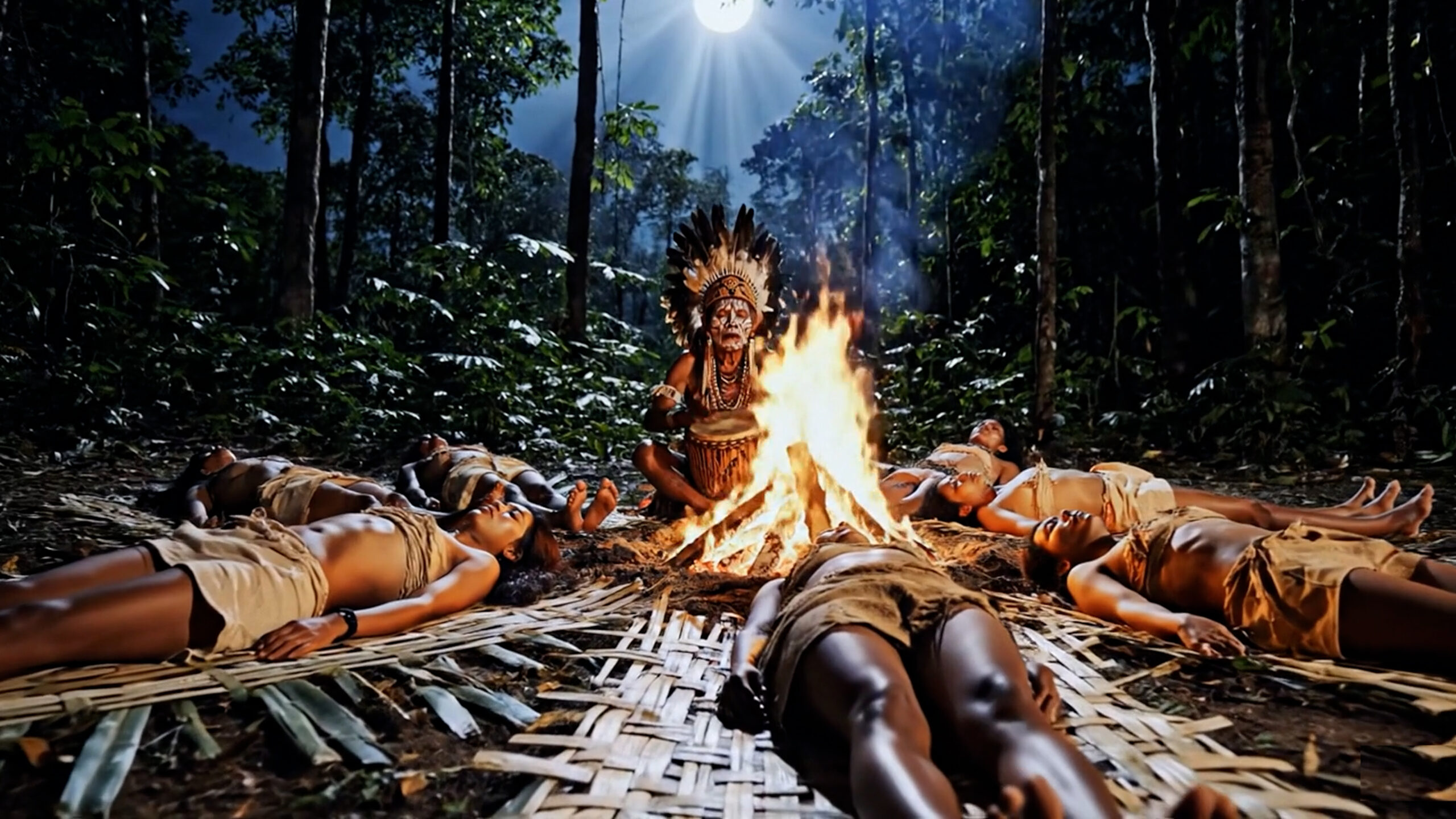
The cultural context in which ritual evolves shapes how it is experienced and transmitted. Observers often note that in some rainforest communities, shamanic authority is held with deep communal respect; ritual knowledge functions as a living university. Several interlocking reasons may help explain this difference. Harsh tropical environments create interdependence: survival requires collaboration, attention to ecological knowledge, and receptivity to spiritual frameworks that encode practical skills. In contrast, parts of Western cultural history are marked by scarcity-driven competition, militarized expansion, and social hierarchies that valorize domination. Such backgrounds foster individualism and aggression, and when spiritual practices are imported into that context they may be distorted to reinforce preexisting tendencies rather than to dissolve them.
This is not to romanticize any tradition; every culture shows ambivalence and contradiction. But the contrast underlines how environment, resource distribution, and historical trajectory influence spiritual forms and the social legitimacy granted to ritual specialists.
Survival, Scarcity, and Social Forms
Anthropological patterns suggest that social structures and spiritual forms co-evolve with the material conditions of life. Where resources are abundant enough to sustain complex sharing systems, social forms may emphasize reciprocity and relational accountability—fertile ground for ceremonial knowledge to become communal education. Where scarcity stimulates competition, religious and spiritual forms may emphasize power, conquest, or hierarchical control. Understanding this interplay helps explain why shamanic knowledge became institutionalized in some regions as a “living book of knowledge,” while in others spiritual practice has been marginalized, instrumentalized, or transformed.
The Role of Psychology and Science
As plant medicines and ritual approaches enter clinical and therapeutic spaces, psychology and allied sciences can play constructive roles: offering frameworks for safety, rigorous integration methods, and research that documents benefits and risks. The challenge is to allow scientific rigor to enhance—not replace—the relational, ethical, and cultural dimensions that render these practices meaningful in their original contexts.
Conclusion
The resurgence of interest in plant medicines and shamanic ceremonies invites both possibility and peril. At their best, these traditions act as living universities—disciplines that cultivate attention, repair relationships, and expand awareness through cycles of ritual and daily practice. At their worst, they become commodities divorced from context and care. For seekers and practitioners alike, the imperative is clear: approach with humility, commit to integration and guidance, and respect the cultures from which these teachings emerge. Only then can ceremonial knowledge function as what it was intended to be: a living book that teaches, challenges, and eventually hands the learner the tools to live with more sensitivity and wisdom.
Watch the full interview: