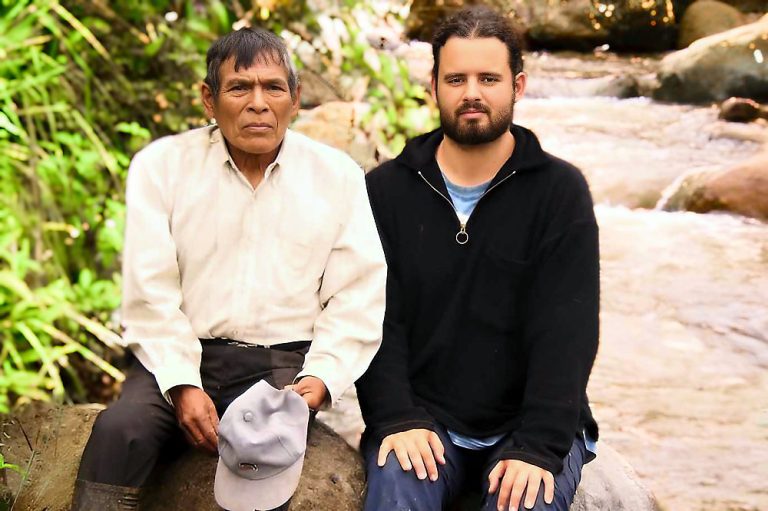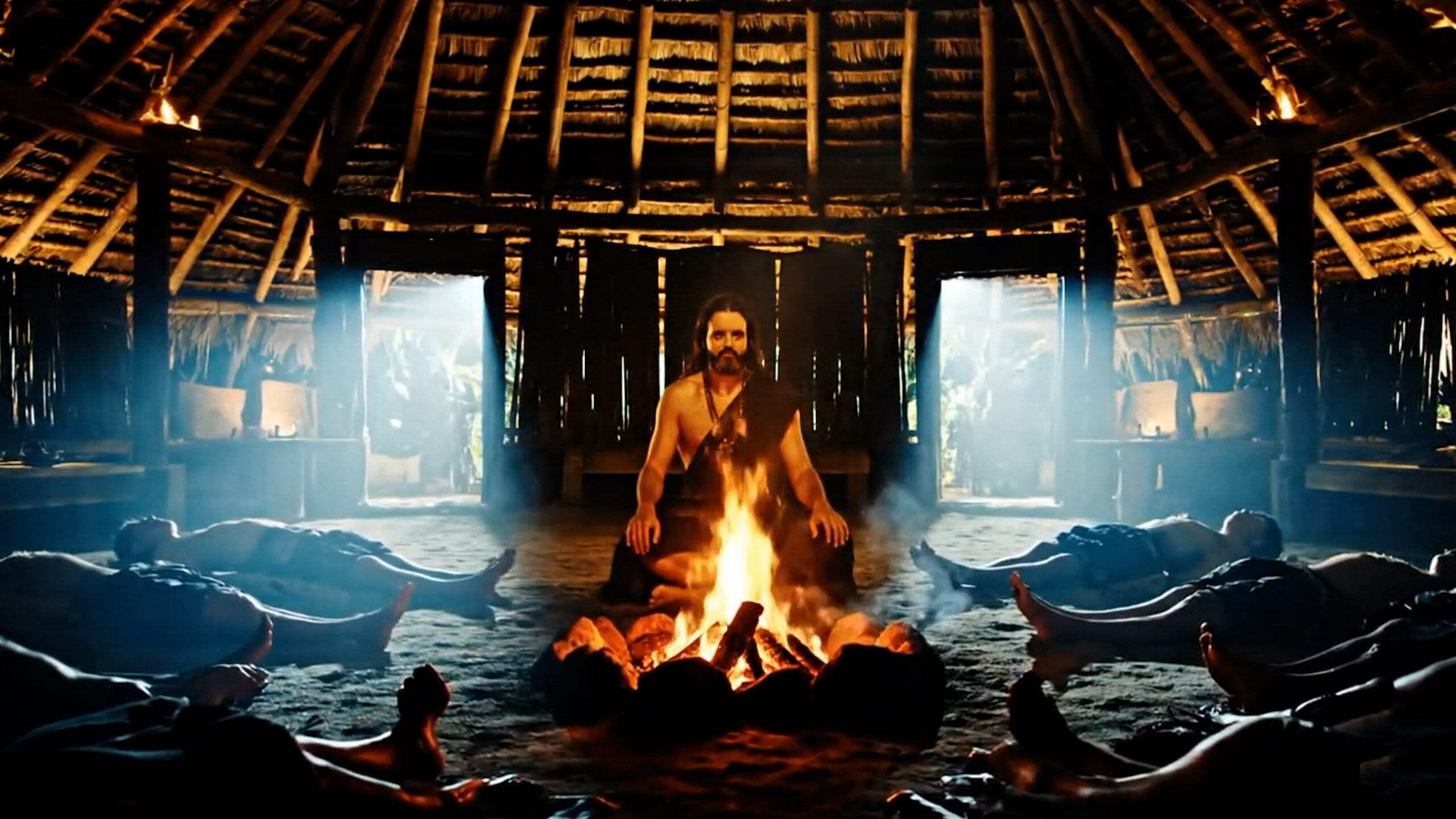
In recent decades, interest in traditional spiritual practices—from meditation to ceremonies with teacher plants—has grown steadily. Transplanted from Indigenous contexts into global urban spaces, these practices inspire both hope and skepticism. The conversation that inspires this article—where Ruymán and Scotty compare the trajectory of yoga and meditation with Amazonian shamanism—offers an opportunity to calmly explore what each path offers, how they intertwine, and which ethical, cultural, and personal conditions are essential for an encounter with the medicine to be transformative and sustainable.
Meditation and shamanism: converging paths
Meditation and shamanism are not mutually exclusive; rather, they can be complementary phases of an inner journey. Meditation, in its many schools, trains attention, emotional regulation, and a state of emptiness or receptive calm. For many contemporary practitioners, it acts as a kind of “soil preparation,” creating a body, mind, and heart more capable of holding profound experiences. Through posture, breath, mental discipline, and sustained practice, meditation allows the sacred to be recognized without being overwhelmed by reactivity, fear, or distraction.
Shamanism—understood here as a diverse set of practices that include work with teacher plants, chanting, ritual, and community—fosters a direct relationship with the spiritual through the body and trance. For those who have spent years in meditative practice, shamanic medicine may appear as a stage that “takes things to the next level”: it mobilizes buried material, catalyzes relational change, and demands practical responses that go beyond introspection.
The experience of the medicine: learning and self-responsibility
One recurring theme in accounts of ayahuasca or natem ceremonies is the experience of recognition: the shift from blaming others to assuming one’s own responsibility in conflicts. This turn toward self-responsibility is not merely psychological; it manifests in concrete actions—asking for forgiveness, repairing relationships, and changing life patterns. The medicine does not function as a magical solution that externalizes healing; rather, it reveals dynamics, prompts conscious remorse, and requires sustained commitment.
This dynamic helps explain why many people describe tangible changes in their emotional relationships, ego management, self-sabotaging habits, and perceptions of abundance. When inner work is integrated into daily life—through community practices, prayer, tobacco rituals, flutes, or other supportive rituals—transformation becomes sustainable: life itself “fills” the inner space created by practice.
Preparation and social context: why today is not the same as before
The Indigenous peoples who developed these medicines lived in communal settings where spiritual experience was upheld by shared culture, cosmology, and collective practices. Today, many people arrive from hyperstimulated, fragmented societies marked by high levels of emotional dysregulation. For this reason, preparation—meditative, somatic, and emotional—is essential: without it, the experience may be misunderstood, poorly integrated, or even harmful.
Preparation includes lifestyle habits (diet, sleep, and the reduction of substances), psychotherapeutic work, and practices that cultivate silence and attention. It also involves learning about the ritual, clarifying intentions, and respecting the traditions from which these medicines originate. The preparation–integration dyad is key to ensuring that the experience does not remain merely an intense event, but is translated into sustainable change.
Ethics and cultural respect: beyond the trend
The growing popularity of ayahuasca and other related practices has given rise to an emerging spiritual industry. This entails significant risks: cultural appropriation, exploitation of Indigenous communities, decontextualized rituals, and practices lacking ethical oversight. Respecting Indigenous origins means recognizing ancestral wisdom, fairly compensating those who uphold these traditions, and avoiding the reduction of medicine to a touristic experience.
Likewise, it is important to avoid stigmatizing these medicines as “drugs” or trivializing them as commodities. For many communities, the plants are part of a living system of knowledge and practice that includes communal responsibilities, codes of conduct, and a relational worldview with nature. Any conscious engagement must take these frameworks into account and cultivate relationships of reciprocity.
Risks and limits: safety and discernment
Engagement with teacher plants is not suitable for everyone. There are medical contraindications (interactions with certain medications, psychiatric conditions), risks of emotional abuse, and unsafe ceremonial contexts. Therefore, beyond internal preparation, it is essential to seek ceremonies guided by individuals with recognized training, transparent safety frameworks, and clear integration and support protocols. Community and professional responsibility are central to minimizing harm and ensuring ethical experiences.
The role of the community and the teacher
Many accounts emphasize the importance of the teacher, the community, and embodied example: seeing others progress fosters trust and demonstrates that transformation is possible. However, this role should never become a transfer of power. The aim is for the experience to empower the individual, not subordinate them to authority. Ethical practices involve guides who encourage autonomy, integration, and personal responsibility, positioning themselves as educators rather than saviors.
Everyday integration: ritual, family, and economy
Shamanic transformation does not end with the ceremony. Many participants report concrete changes: family reconciliations, improvements in intimate relationships, career shifts, and new patterns of abundance. Integration requires daily practices—meditation, prayer, simple rituals (such as chanting or ritual tobacco), somatic work, and ethical commitments to family and community. In practical terms, sustained transformation depends on turning insight into action: asking for forgiveness, negotiating boundaries, planning finances coherently, and maintaining healthy habits.
Final reflection: an invitation to shared responsibility
The dialogue between meditation and shamanism shows that contemporary spiritual paths can be plural and complementary. Meditation prepares the ground; medicine accelerates and reveals; community and ethical integrity sustain the fruits. Yet this process is only meaningful when accompanied by responsibility: personal (self-accountability and integration), cultural (respect and reciprocity), and communal (safety and support).
Approaching these practices requires humility, critical curiosity, and long-term commitment. It is not about “trying something” because it is fashionable, but about entering into a relationship that demands dedication, work, and sustained transformation. When approached with respect, preparation, and ethics, the outcome can be profound: greater inner freedom, repaired relationships, and a life that flows from its center.
Watch the full interview: