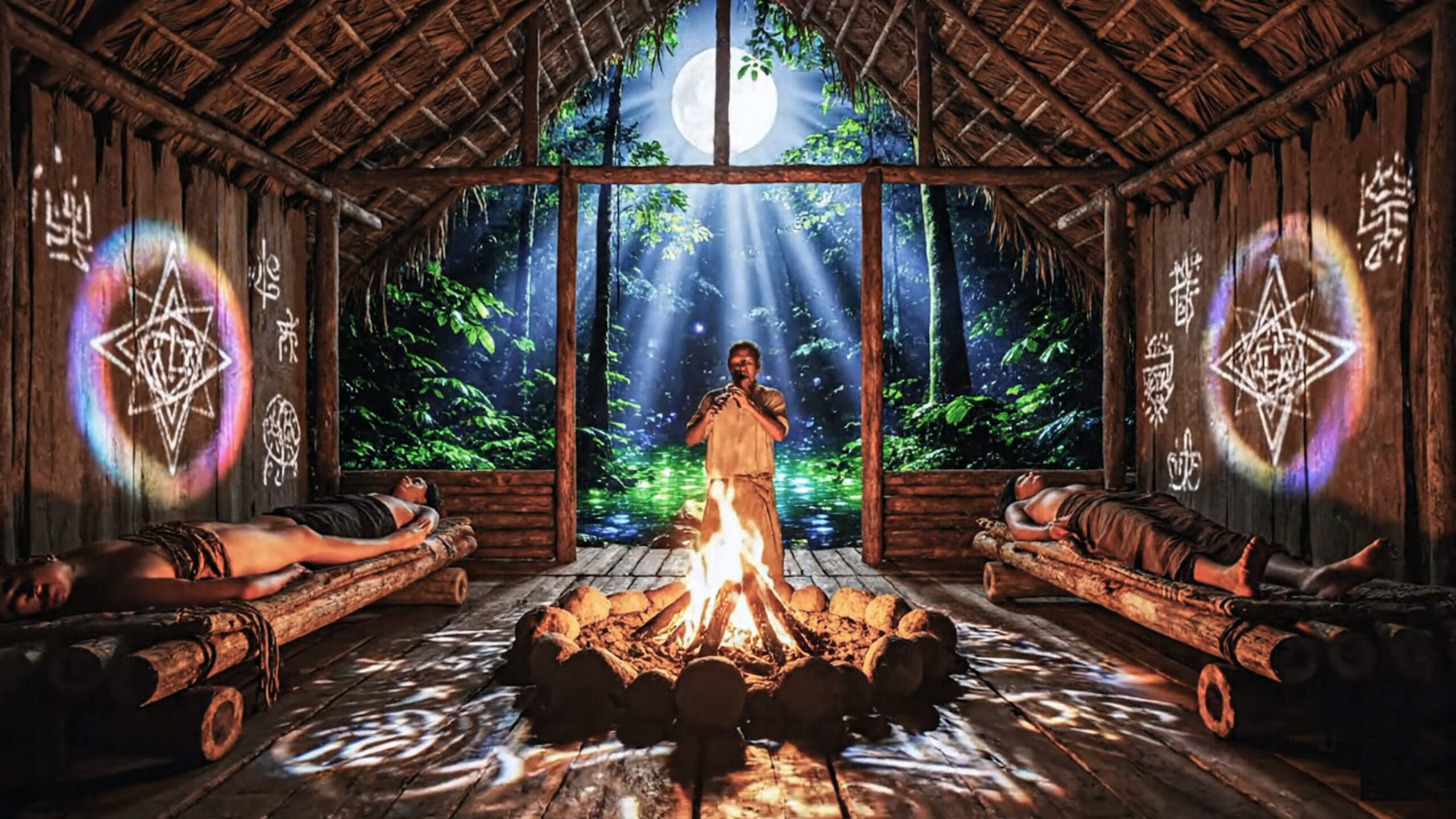
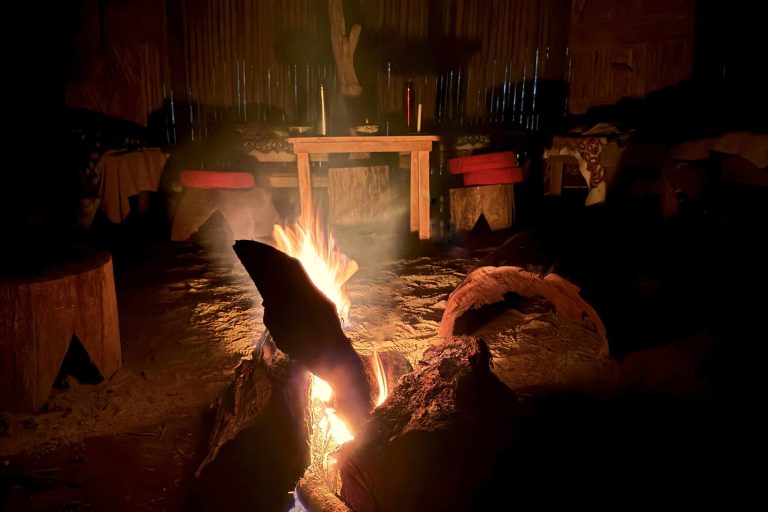
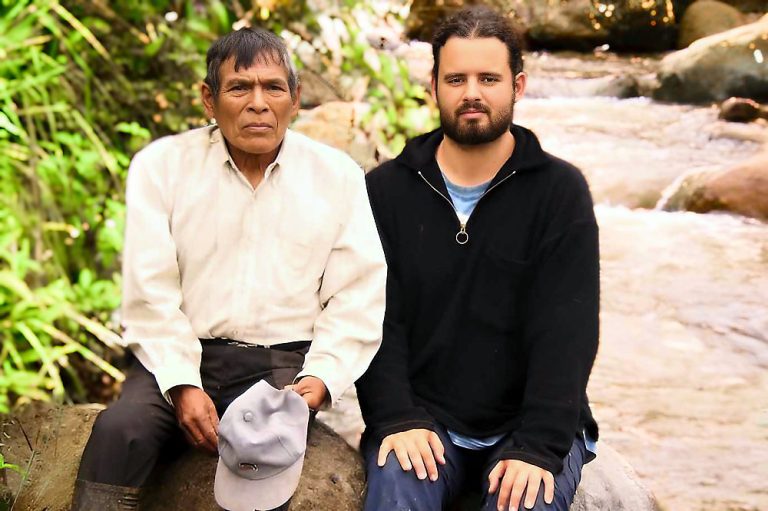
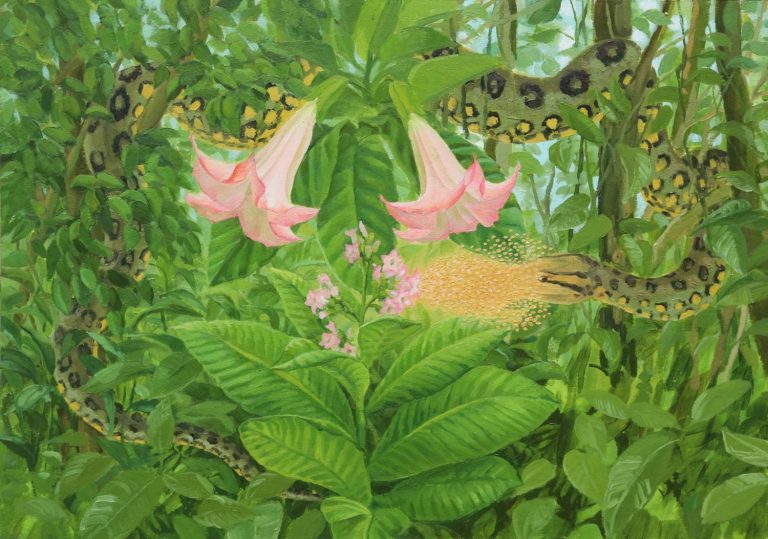
The search for meaning in life is a journey many undertake, and spirituality can offer powerful paths to healing and self-knowledge. This article reflects on the experiences shared in ayahuasca ceremonies, an ancestral ritual that has resurfaced in modern times and transformed lives, providing new perspectives on reality.
Reports of a Personal Journey
The voices of those who have attended ayahuasca ceremonies reveal inner struggles and the light found in the darkness. Many come to these ceremonies seeking relief from the pain of mental and physical health issues. One participant mentions that their encounter with ayahuasca was an urgent need for healing. In their first ceremony, they discovered that the experience shattered their preconceived notions, allowing them to rebuild their life based on truth.
Healing Through Shared Suffering
The philosophy that all human beings suffer and the connection generated through this suffering is a common thread in these narratives. The ceremony provides a space for empathy, where participants share their struggles and support one another, facilitating a process of collective healing. The ceremonies also often invite reflection on addictions, and many find that their relationship with alcohol and other substances is positively transformed.
Meditation in Daily Life
A striking aspect of these ceremonies is how they inspire the ongoing practice of meditation. One participant shared that, after their first experience, their life became a meditation. Learning to see the divine in the everyday, transforms each moment into an opportunity for reflection. This contrasts with the popular belief that meditation requires a specific amount of time, demonstrating that spirituality can be experienced holistically.
Challenging Fear and Ignorance
The search for answers to profound questions is common among those who participate in ayahuasca ceremonies. Often, participants confront their own fears and existential questions that society has failed to answer. This journey focuses not only on external searching but also on internal exploration, where hidden truths are confronted. This challenge often results in a renewed sense of purpose and authenticity.
Reconstruction and New Perspective
During the transformative process in the ceremonies, attendees frequently recognize the need to face their suffering in order to truly heal. “I learned that everyone suffers and to stop running from it,” shares one participant. Understanding suffering as part of the human experience allows them to approach their problems from new perspectives and break self-destructive patterns.
Community and Connection
The sense of community that develops in these ceremonies is fundamental to healing. The act of coming together with people facing similar struggles creates a bond that can be profoundly healing. “Being surrounded by people who share struggles provides a sense of belonging,” emphasizes one attendee. This connection transforms isolation into a renewed sense of purpose and acceptance.
Connection with the Divine
Connection with the divine is also a key element in ayahuasca ceremonies. Many participants report feeling a profound union with the cosmos, which prompts them to adopt a perspective of responsibility toward others and the environment. This sense of belonging to something greater not only provides comfort but also inspires a commitment to sustainability.
The Importance of Integration
A crucial aspect that is often overlooked is the integration of the experiences lived during the ceremonies into daily life. True healing resides not only in the ceremony itself but also in the days and weeks that follow. Learning to incorporate life lessons can be challenging, but it is essential for growth.
Integration manifests in various ways, from changes in habits and greater self-awareness to a return to love and compassion. Each person will follow their own path of integration, which is as unique as the experience of the ceremony itself.
Cultural Responsibility
With the growing interest in ayahuasca in the Western world, questions arise about the balance between indigenous tradition and commercial demand. It is vital to address these issues with respect for the communities that have maintained these practices for centuries. Retreat centers must be transparent and work in collaboration with indigenous cultures to ensure authenticity and respect for ancestral traditions. The regulation and legalization of ayahuasca use must focus on protecting both participants and communities, promoting an ethical and conscious use.
Final Reflections
The ayahuasca ceremony is more than a spiritual experience; it is an introspective journey that leads to personal and spiritual transformation. The shared experiences reveal the light within the darkness, offering hope and a renewed sense of purpose. Although the path may be full of challenges, the reward of a conscious journey toward oneself is invaluable.
For those who feel called to explore this practice, it is essential to approach it with an open mind and heart. Ayahuasca can open pathways to a deeper understanding of oneself and the universe. The journey of transformation continues, uniting people in their ongoing search for truth and connection.
As each ceremony offers a portal to a fuller, more conscious life, it invites each participant to confront fears and longings, armed with the desire to emerge renewed. Ultimately, this experience becomes a reminder that the search for truth is, fundamentally, a journey of love and human growth.
Ayahuasca ceremonies can offer a path to healing, authenticity, and spiritual connection. Each experience is an opportunity to discover not only our inner light but also our role in the vast web of life. The hope is that everyone can find their way to this truth, heal, and ultimately contribute to a more compassionate and conscious world.
Watch the full interview: